


I have never once needed a stranger to show me where the bathroom is.
Last week I wrote about where my standards come from. This week I’m sharing a few of the standards themselves. These are the things I notice the moment I walk into a hotel room, and once I’ve noticed them, I can’t stop. Some of them sound small. At $2,000 a night for an entry-level room, I don’t think anything is small.
The walkthrough
You’ve just flown forty hours across the world. You get to your room, and someone comes in with you and spends ten minutes showing you where the bed is and that you have a sink.
Believe me, even if there are four bedrooms and five bathrooms, we will be able to find the bathroom. I will find the air conditioning. If I can’t, I can call guest services, or the butler if there is one, and someone can come and show me.
I think it bothers people at this level because a big part of luxury is feeling expected and known. You want to walk into the room and feel that it’s yours. I find the “Welcome home” slogan a bit cheesy, but there is some truth in it. The room should say, this is yours, this is your time, do with it what you want. The walkthrough says the opposite. Someone is standing in your space showing you something completely obvious.
Some people love the tour, and I’ll come back to that.
Check-in
I could write an entire post about check-in, and one day I will. For now, here is the one that matters most.
If a hotel is charging $2,000 a night and up for an entry-level room, it should know my name when I arrive. It should know my arrival time if I sent it in advance. It should have my details on file, whether I sent them or my advisor did, and I shouldn’t be asked for them again at the desk. At that level, it should simply be expected.
The milk
A hotel will spend real money on the minibar. There are artisanal crackers, good snacks and an interesting coffee machine, and there is nothing in the fridge to put in the coffee.
Nine times out of ten, the person staying in that room does not want black coffee. Put milk in the fridge. Put regular milk and oat milk, so the room is ready for the person who is actually staying in it.
Some hotels get this right. When I stayed at Aman Sveti Stefan, there was milk in the fridge and the minibar was free. At Belmond Maroma, coffee is left on your terrace every morning, which is my favorite thing about the property, and the question of milk never comes up. If you’re going to bring coffee to the room like that, you’re excused. Everyone else, please, put milk in the room.
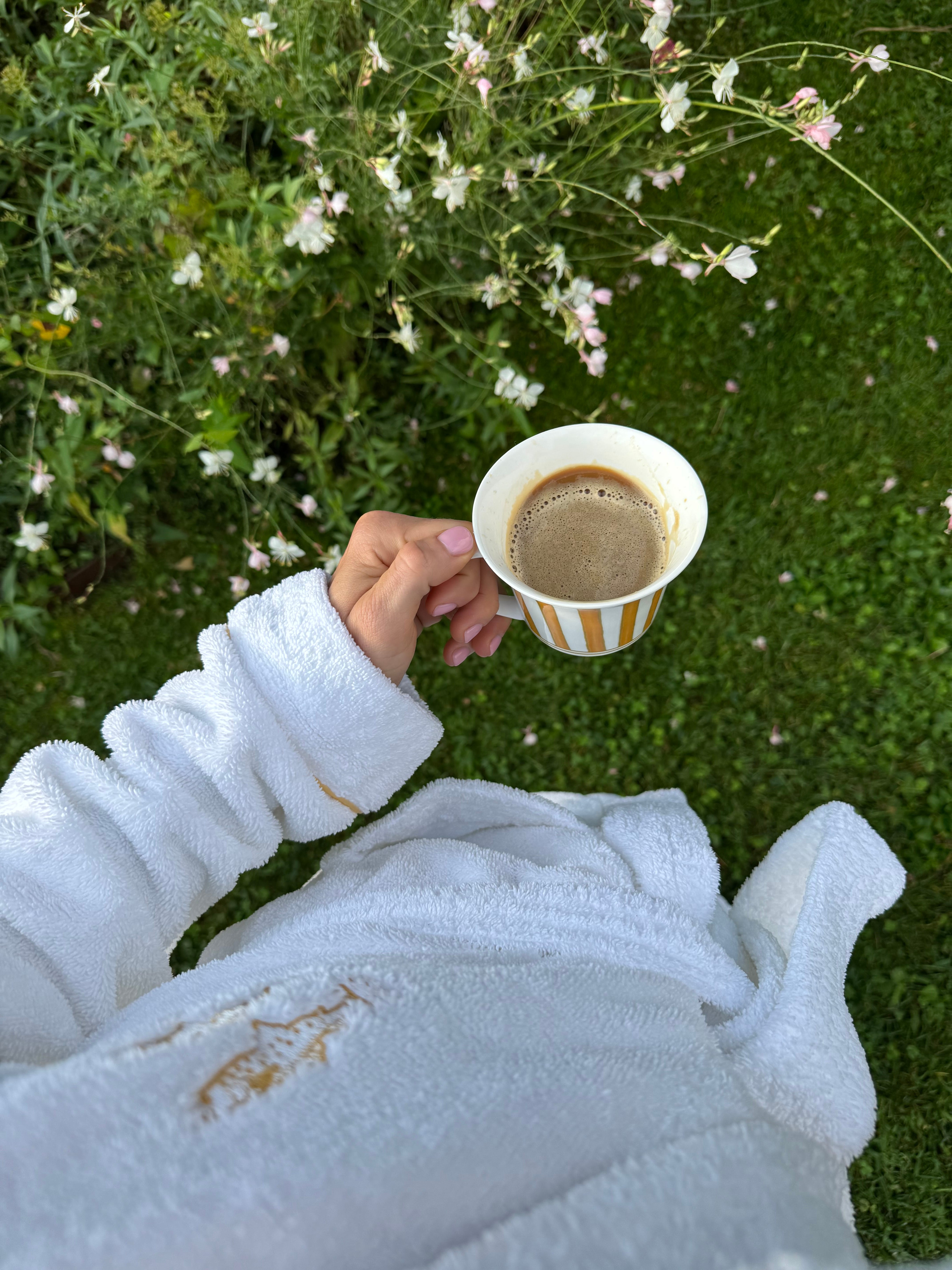
The robe and the slippers
If a hotel has spent all that money on the thread count of the sheets and on getting every finish right, it shouldn’t skimp on the slippers and the robe. A thin slipper and a thin robe undo a lot of good work.
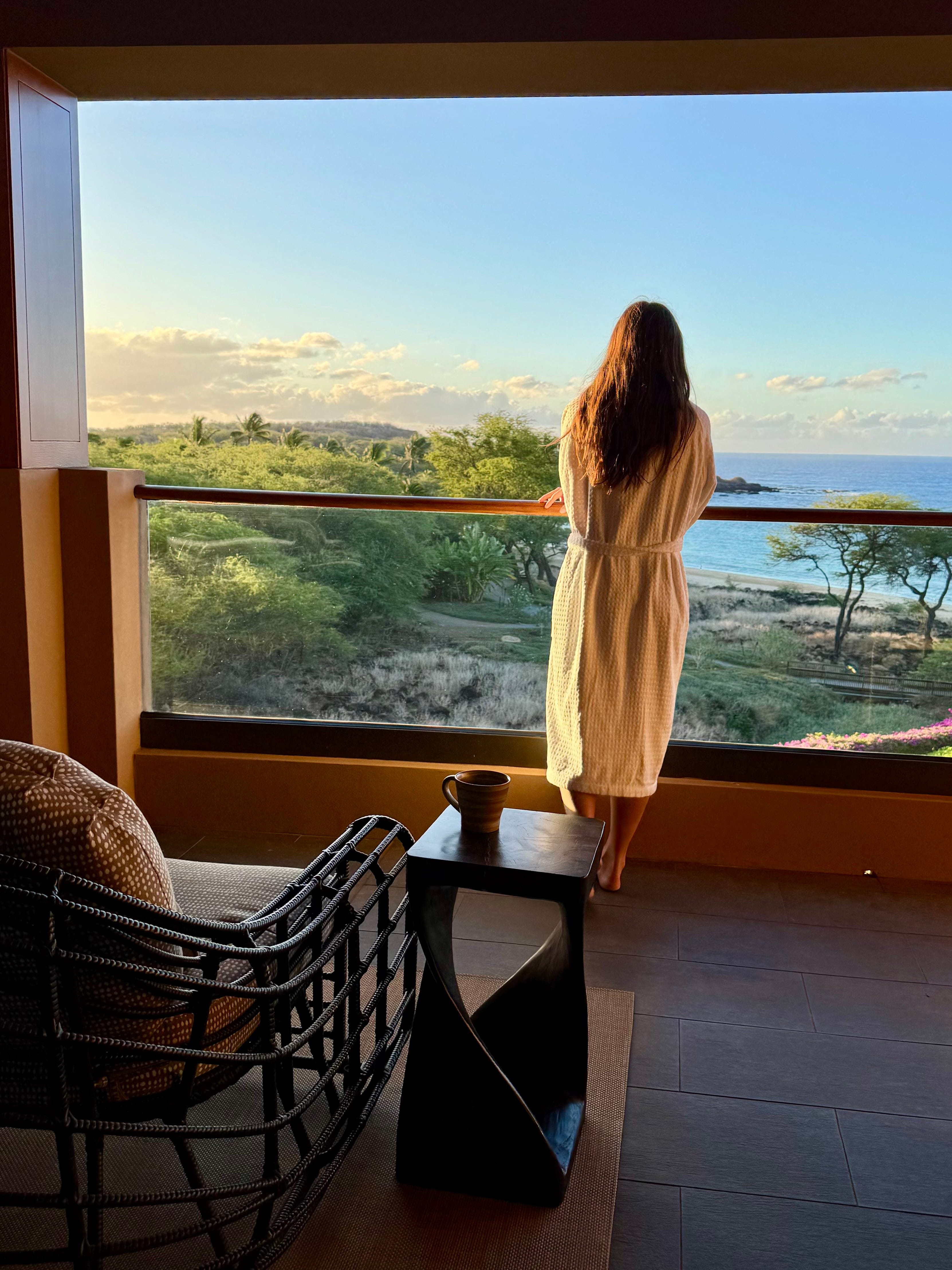
The hotels I love give you two. There’s a thin kimono for getting ready, when you’ve just come out of the shower, the bathroom is hot and steamy, and you’re doing your hair and makeup. Then there’s a thick, fluffy robe for when you come back from dinner and want to lounge. Those hotels have thought about what you’d want at home. I have five different robes at home for different occasions, so I notice.
Why I’m sharing this
None of these are rules. They’re what I notice, and I’d rather you know what I notice before you trust my recommendations.
Plenty of guests love being shown the room. They want the general manager to meet them, give them a tour, and even show them a few other rooms for their next stay. That’s why I ask every client how they like to feel before I book anything, and why I tell the hotel before they arrive. The guest who wants the tour gets the tour. The guest who doesn’t gets left alone with the milk already in the fridge.
Passerine. New world speed, old world hospitality.
The hotels and experiences worth crossing the world for. Which room to ask for, and what’s worth it. From an advisor who was the client first.
Passerine goes out every Sunday.
Love a pet peeve.